Soweto Derby between Orlando Pirates and Kaizer Chiefs remains South African, and African, football’s most anticipated fixture.
The clubs will face off in the Betway Premiership on Feb 28, the first of two clashes of the season. The other is on 25 April.
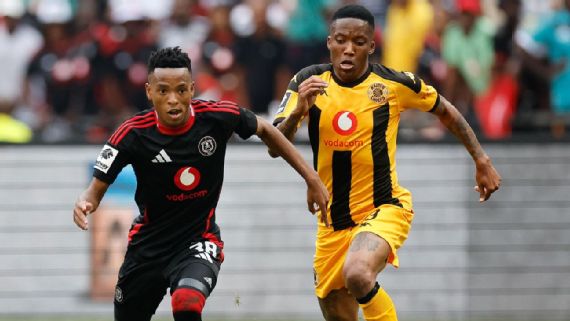
Soweto is by far South Africa’s biggest historical township, with a population of close to 2 million people. This makes up almost a third of the broader metropolitan area of Johannesburg.
One of the reasons why Orlando Pirates are so popular is their age. They were formed in 1937 and have lasted through several gigantic shifts in the South African football landscape. Their initial great rivals were Moroka Swallows, but they have avoided the financial woes of Swallows and remained relevant.
Pirates were a source of inspiration to black South Africans specifically during the apartheid years. So, too, were Kaizer Chiefs, who were formed by former Pirates star Kaizer Motaung in 1970.
The formation of the club and their early success coincided with the rise of the Black Consciousness Movement – a radical resistance movement during the days of apartheid. This is not to say that Chiefs or their supporters were all necessarily proponents of the views of Steve Biko, but rather that Chiefs seized the moment to engrain themselves in the national psyche as a symbol of Black excellence.
Chiefs made history as the first predominantly Black team to defeat a traditionally ‘white’ side when they triumphed over Cape Town’s Hellenic in the Chevrolet Champions of Champions 2-1 at the Rand Stadium in 1975. Although they lost the tie on aggregate, this was an historic occasion.
In 1978, South Africa’s first multiracial football league kicked off – with football 16 years ahead of the rest of the country in terms of unification. South Africa’s first democratic election only took place in 1994.
Kaizer Chiefs and Orlando Pirates will always be remembered for being at the forefront of the revolution within South African football and their success continued in a democratic South Africa.