A business can have the best strategy, the biggest ambitions and the most talented people. But if those people aren’t being developed to lead, there’s a limit to how far that business can go.
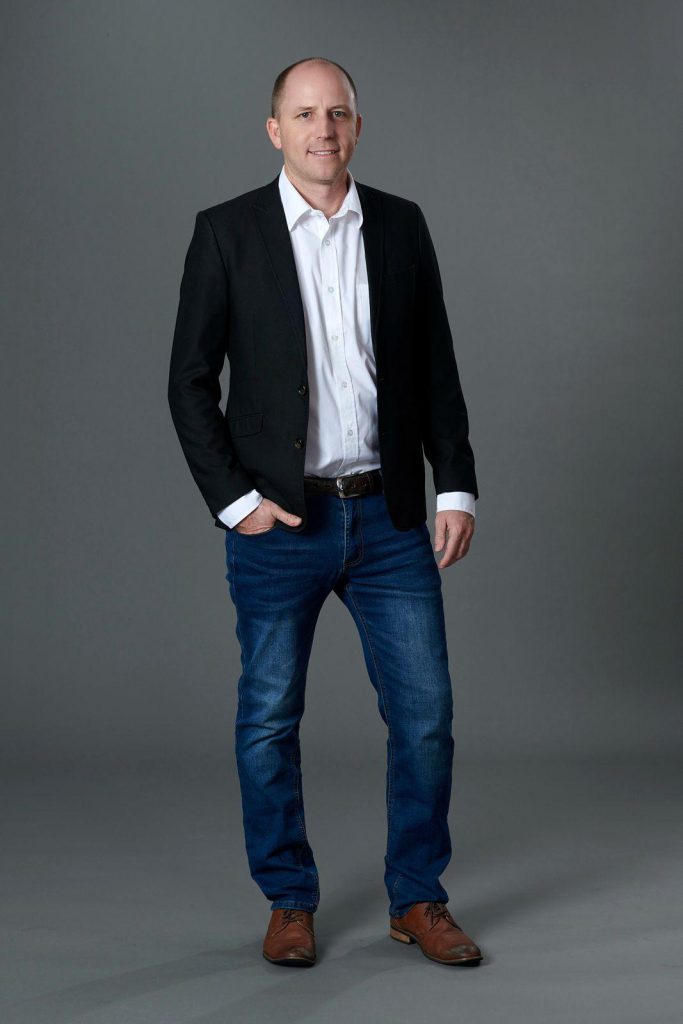
Kevin Dixon, Chief Growth Officer at The Unlimited, believes this is one of the biggest leadership challenges facing South Africa today.
“South Africa doesn’t need more bosses. It needs more leaders,” says Dixon. “There’s a big difference between telling people what to do and helping them discover what they’re capable of. One creates followers. The other creates people who can go on to lead.”
At The Unlimited, this belief sits at the heart of how the business grows: build leaders who build other leaders.
“If everything depends on one person at the top, your business can only grow as far as that person’s capabilities allow. But when you develop people who can think independently, take ownership and grow others, you create something far more powerful.”
So how do we build more leaders?
Dixon believes leadership isn’t something you develop through a promotion or a once-off workshop. It’s built through everyday actions, conscious decisions and the courage to keep growing, even when it’s uncomfortable.
He identifies four important shifts in approach:
1. Start by leading yourself
“Leadership starts with taking ownership of yourself. Your attitude, your decisions, your behaviour and the way you respond when things don’t go your way,” says Dixon.
“You can’t expect accountability from others if you’re constantly making excuses yourself.”
For Dixon, self-awareness is one of the most important qualities a leader can develop. That means being willing to ask difficult questions, acknowledge mistakes and accept feedback.
“The strongest leaders aren’t the ones who pretend to have all the answers. They’re the ones who are prepared to keep learning.”
And when leaders demonstrate that kind of vulnerability and accountability, they give others the confidence to do the same.
2. Stop giving people all the answers
One of the biggest mistakes leaders make, Dixon believes, is confusing being helpful with being indispensable.
“If you’re making every decision and solving every problem for your team, you’re not developing leaders. You’re developing dependency.”
Real empowerment means giving people responsibility, setting clear expectations and trusting them to work things out.
It also means allowing people to make mistakes, learn and grow.
“At The Unlimited, we talk about not denying people the privilege of struggle. It’s a powerful idea because growth doesn’t always happen when things are easy. Sometimes people need the opportunity to face a challenge and discover that they’re capable of overcoming it.”
That doesn’t mean abandoning people when things get difficult.
“It means supporting them without constantly rescuing them. There’s a difference. A great leader knows when to step in, when to coach and when to give someone the space to figure it out.”
3. Lead from the front
Leadership isn’t about standing on the sidelines and giving instructions.
“You have to be prepared to roll up your sleeves, show people how it’s done and work through the difficult stuff alongside them,” says Dixon.
At The Unlimited, a practical approach to developing people is to teach, show, observe and give feedback.
It’s about demonstrating what excellence looks like, creating opportunities for people to practise and helping them improve.
But Dixon believes the real test comes when a leader is prepared to step back.
“Your job isn’t to make yourself the most important person in the room. It’s to help other people become confident enough to succeed without you.”
That takes trust, patience and the willingness to have honest conversations, including the uncomfortable ones.
“Leadership isn’t about making everything easy. It’s about helping people become capable of doing hard things.”
4. Measure success by the leaders you build
For Dixon, the ultimate measure of leadership isn’t simply how well a team performs today.
It’s what the people in that team become tomorrow.
“Are they more confident? Are they making better decisions? Are they taking ownership? And, most importantly, are they helping other people grow?”
This philosophy is reflected in The Unlimited’s Dragon Hunter programme, which focuses on developing future leaders.
The thinking is simple: leadership shouldn’t stop with one person.
“We believe in growing leaders who grow other leaders. Because the real impact of leadership isn’t limited to the people you lead directly. It continues through the people they go on to develop.”
It’s an approach that reflects The Unlimited’s wider belief that business should do better, and that growth should be about more than financial performance.
The bigger opportunity for South Africa
Dixon believes the impact of developing leaders can extend well beyond the workplace.
“When someone starts believing in themselves, taking ownership of their future and realising what they’re capable of, that doesn’t necessarily stop when they leave work.”
“It can influence the decisions they make, the opportunities they pursue and the people they inspire along the way.”
For The Unlimited, that’s what makes leadership development about more than growing a business. It’s about shifting lives.
“Imagine what becomes possible when we stop measuring leadership by how many people report to us and start measuring it by how many people we’ve helped grow.”
“Because the greatest thing a leader can build isn’t a bigger team. It’s another leader.”