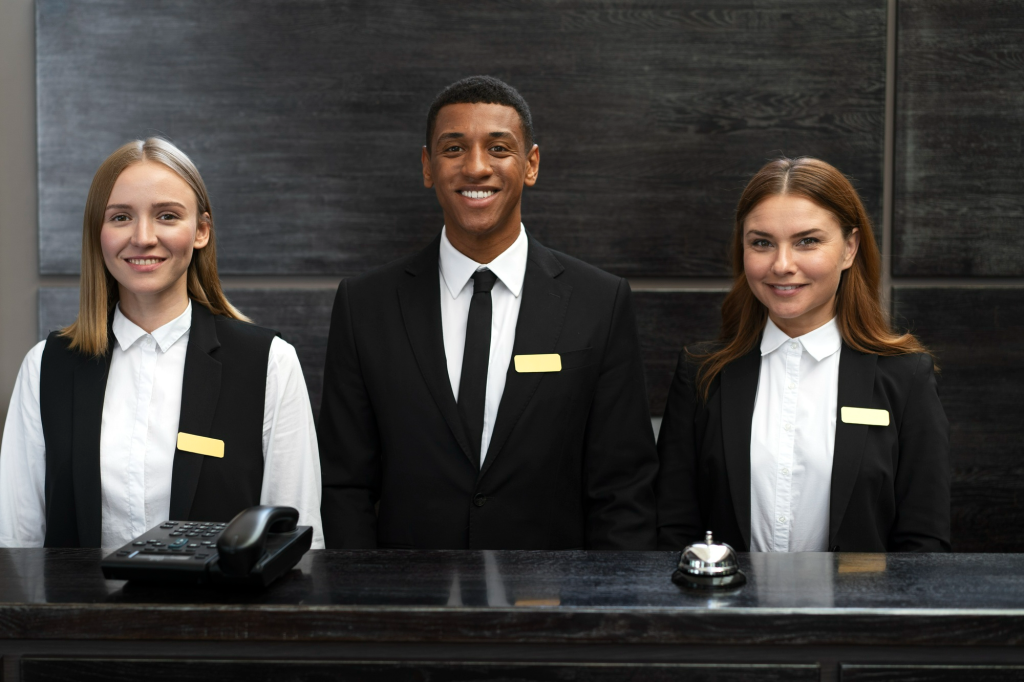
For generations, South Africans have known how to welcome people, whether through a steaming pot of umngqusho shared around the fire or the careful sweeping of a verandah before guests arrived.
Hospitality is a vital part of our heritage and has long been one of the threads connecting our various cultures and traditions. As a nation, we are well-known for it: a quality closely linked to the philosophy of ubuntu, which reminds us that our humanity is bound up in one another.
Fast forward to the present, and hospitality is part of a multi-billion-rand travel and tourism economy. In 2025, the broader sector was projected to contribute R659.8 billion to South Africa’s economy. “Yet many of the principles that shaped how we once welcomed and hosted people remain just as relevant, including the importance placed on cleanliness,” says Jeffrey Madkins, Marketing Manager at Unilever Professional SA.
With the festive season around the corner, that spirit of hospitality is about to take centre stage once more as family and friends gather to share familiar traditions, favourite dishes and stories passed down through generations. At the heart of these gatherings is the thought and effort that go into making others feel comfortable and cared for.
That same attention carries through into the commercial hospitality environment, where every space plays a part in shaping the guest experience. “For Unilever Professional, that means helping our clients meet today’s operational demands while maintaining the high levels of hygiene expected across the sector,” Madkins explains.
From Soap to Smart Hygiene
Long before guest experience strategies or hygiene protocols, keeping hotels and restaurants presentable depended on hot water, soap, brushes, cloths and plenty of elbow grease. The tools were basic, but the purpose was familiar: creating a clean environment where people could eat, sleep and socialise in comfort.
Today, professional cleaning is far more specialised, informed by a deeper understanding of hygiene. Hospitality‑grade cleaning products such as Handy Andy Professional Food Safe solutions show how a trusted brand has evolved to address the specific cleaning and hygiene needs in professional kitchens.
“However, the change is about more than products. Modern operations need to maintain hygiene across multiple areas, shifts and teams, day after day and often under time pressure,” notes Madkins. “Processes that once relied largely on manual effort are now supported by specialised products, better equipment and more efficient cleaning methods. But while the tools may have changed to improve efficiency, the need for care hasn’t.”
Behind The Scenes
Much of what keeps a hotel, restaurant or guesthouse running smoothly remains out of guests’ sight. Rooms are turned around between check-outs, dishes are washed between sittings, restrooms are sanitised, all so that what the guest actually experiences – a fresh room, a clean table, a spotless bathroom-appears effortless.
“That is where efficiency matters most: if these tasks fall behind, the guest experience quickly suffers. However, when teams have the right products and processes to get the job done, maintaining high standards becomes easier, even during busy periods,” Madkins adds.
The Welcome Still Matters
Much has changed in hospitality over the generations, but some things never will. People may not remember every detail of a stay, but they do remember how it made them feel, and a clean, well-kept space can be the difference between feeling like an afterthought and feeling truly looked after.
“Our heritage reminds us that a genuine welcome has always been about showing people that care has gone into preparing for their stay,” concludes Madkins. “And modern hygiene is one way we carry that forward today.”
For more information on how Unilever Professional solutions can support cleaning performance, hygiene standards and operational efficiency, visit www.unileverprofessional.co.za.