As South Africa prepares to mark the International Day for the Elimination of Violence Against Women on 25 November and the start of 16 Days of Activism, conversations about consent, sexual health and gender-based violence must include a group that is often overlooked: older persons. Through its Sexual Health for Older Persons( SHOP) initiative, South African non-profit organisation goGOGOgo is creating safe, judgement-free spaces where people over 50 can talk openly about sex, sexual health, consent and safer choices. The sessions are challenging the assumption that intimacy and sexual health are concerns only for younger generations.
Developed in collaboration with Realize Canada and the South African Medical Research Council (SAMRC), SHOP has held sessions for adults aged 50 and older in Alexandra, Eldorado Park and Diepsloot. The programme covers safer sex, HIV and STI awareness, consent and the sexual changes that can accompany ageing. Workshops have attracted as many as 51 participants in a single session, with the largest group attending a session at Alexandra’s Thusong Centre in March 2026.
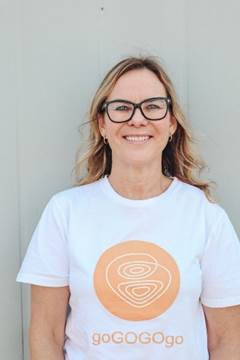
“Despite what many may think, getting older does not mean that you lose your desire for sex and intimacy. Our work gives older South Africans a room where they can ask questions and explore what sexual expression means at this point in their lives. That curiosity is healthy and deserves space to play out safely and without judgement,” says Jane Simmonds, founder of goGOGOgo.
An ageing epidemic
South Africa’s HIV epidemic is also an ageing one. Advances in antiretroviral treatment mean that people living with HIV are living longer, fuller lives. At the same time, the Human Sciences Research Council’s latest national HIV survey found that the peak of HIV prevalence has shifted into older age groups. Among adults over 50 with more than one sexual partner, only 27.9% of men and 29% of women used a condom the last time they had sex.
Older people face a double stigma: ageism assumes they have stopped having sex, while HIV stigma can make it difficult to ask questions or seek information about their sexual health. This leaves many without the knowledge, support and services they need to make informed decisions about their wellbeing.
Making space for the conversation
Most SHOP sessions begin with an icebreaker word search that asks participants to find words associated with sex, including vagina, penis, orgasm, menopause and erectile dysfunction. Many of these words remain taboo and are often discussed in whispers, if at all. Finding them in a game, and saying them aloud in a safe space, is the first step towards more open conversations about sex and ageing. From there, conversations become warm, funny and practical. One woman shared how her body began to ache after her husband retired to their rural home while she remained in Johannesburg. After visiting a doctor who could find no physical explanation for her discomfort, she was advised to spend time with her husband. She did, and she explained that the aches eased as she “did ‘sexercise again’”.
Sessions also tackle the realities of an ageing body. Menopause can affect sexual desire and comfort, while diabetes, heart disease and certain medications can affect erections. Participants learn that these changes are common, often manageable and worth discussing with healthcare professionals.
However, seeking help is not always easy. Several participants shared how previous experiences of being treated harshly by nurses had discouraged them from raising questions about their sexual health. As one female participant put it: “Just because I am no longer reproductive, my vagina is still part of my body… it is still there!”
Recognising this gap, SHOP has also conducted workshops for healthcare practitioners to encourage more sensitive and inclusive conversations with older patients. Men, in particular, have sometimes been slower to open up, initially remaining quiet during group discussions. However, as they become more comfortable, they begin participating more actively. At a recent Alexandra workshop, more men than usual took part, demonstrating a growing willingness to challenge the stigma around discussing sexual health.
“People arrive embarrassed and leave with a booklet in their bag and questions for their clinic. The shift happens when they realise everyone in the circle has been wondering the same things,” says Valerie Mthandeki, a co-facilitator at the SHOP sessions.
Consent at every age
Importantly, sexual health conversations cannot happen without addressing consent and abuse. These discussions form part of every SHOP session and are particularly relevant as South Africa approaches 16 Days of Activism.
At one workshop, participants debated whether it was unfair for someone to change their mind once sex had started. While some initially disagreed, others challenged this thinking, creating an opportunity to reinforce an important message: consent can be withdrawn at any point, regardless of whether people are in a new relationship or have been married for 40 years.
These conversations are important because consent does not become less relevant with age, nor does being in a long-term relationship mean that a person loses the right to make decisions about their body. Creating spaces where older people can discuss these issues openly helps challenge harmful beliefs, address misconceptions, and reinforce that everyone deserves dignity, respect and bodily autonomy.
From gogos and mkhulus to children and grandchildren
The impact of these conversations can extend beyond the people attending the workshops. Gogos (grandmothers) are often primary caregivers to the teenagers in their households and the conversations they feel comfortable having about sex, relationships and sexual health can shape how younger generations understand these issues. Grandfathers also have an important role to play, particularly in speaking to boys about consent, respect and safer sexual choices.
For a generation that was often raised never to talk about sex, these workshops offer an opportunity to break that silence. By equipping older South Africans with accurate information and the confidence to have these conversations, goGOGOgo is helping them make informed choices about their own wellbeing while creating opportunities to pass that knowledge on to the next generation. Because conversations about sexual health, consent and safety should never have an age limit.