– Ten nations will carry the ambitions of their players, supporters and national programmes into the Africa Netball Cup 2026, where continental honours and qualification for the Netball World Cup Sydney 2027 will be at stake. Scheduled for 19 to 26 September 2026 at the Kasarani Indoor Arena in Nairobi, the championship will feature South Africa, Uganda, Malawi, Zimbabwe, Namibia, Zambia, the host nation – Kenya, Botswana, Nigeria and Tanzania.
The participating nations represent the strength and growing reach of African netball. The field includes established global competitors, former continental champions, emerging challengers and some developing programmes that are seeking to strengthen their position within the game. The recent Glasgow 2026 Commonwealth Games offered another measure of Africa’s best teams. South Africa finished fifth after a 62-54 win over Uganda in the fifth-place play-off, with Uganda placing sixth, while Malawi secured seventh by defeating Scotland 54-47. South Africa and Uganda have already secured their places at the Netball World Cup Sydney 2027 through their positions in the World Netball Rankings.
The two highest-placed eligible nations outside the already-qualified teams will claim Africa’s remaining qualification places – adding further significance to every stage of the competition. South Africa enters the tournament as Africa’s top-ranked nation and fifth in the world. The SPAR Proteas remain the continent’s top international side, recognised for their physical presence, tactical discipline and depth across the court.
The defending champions arrive in Nairobi after defeating Uganda in the 2025 Africa Netball Cup final in Lilongwe. Their record includes five continental titles, regular appearances at the Commonwealth Games and a consistent presence among the world’s leading teams. Uganda, ranked second in Africa and sixth in the world, have developed into one of international netball’s fastest-rising teams. The She Cranes have built their success around athleticism, strength and an increasingly sophisticated tactical approach.
Their fifth-place finish at the 2023 Netball World Cup and victory at the 2025 Celtic Cup demonstrated their ability to compete beyond the continent. After finishing as runners-up at the previous Africa Netball Cup, Uganda will travel to neighbouring Kenya determined to challenge for the title. While South Africa and Uganda are already assured of their World Cup places, the qualification battle behind them is expected to become one of the tournament’s defining narratives.
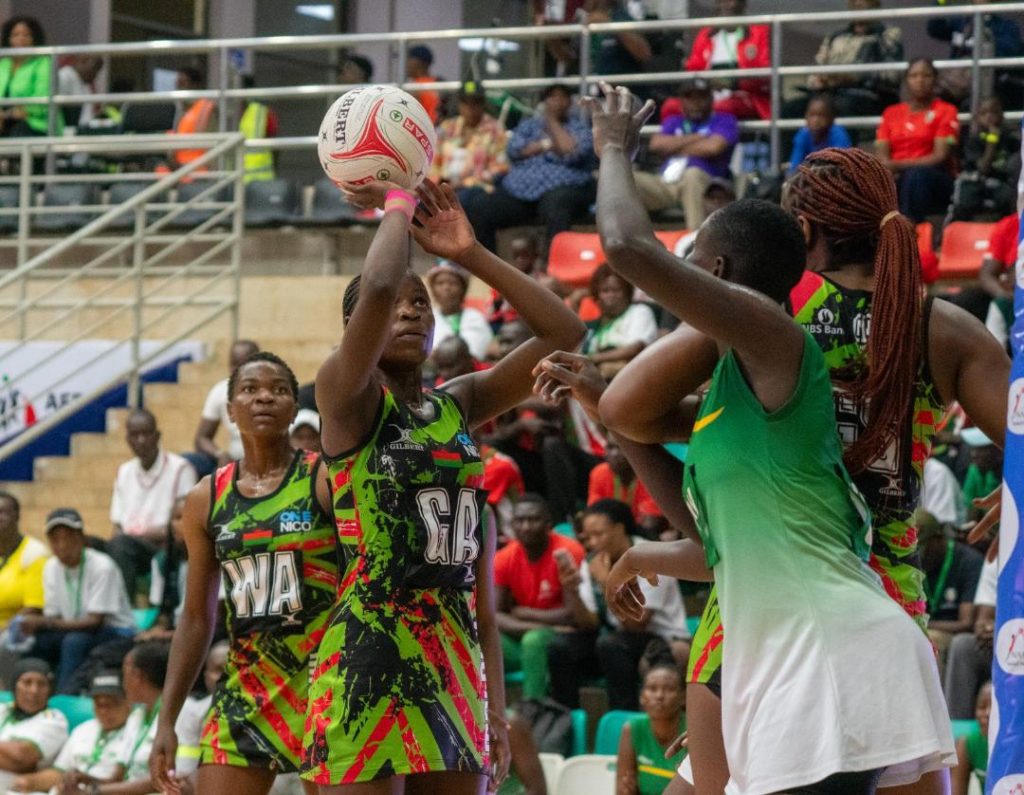
Malawi also enters as one of the leading contenders for the available positions. Ranked third in Africa and nineth in the world, the Queens are one of the continent’s most experienced and technically gifted teams. Netball holds a significant place within Malawi’s sporting culture and the national side has built a reputation for exciting attacking play, fluid ball movement and the production of world-class shooters. The 2023 African champions will look to draw on their international experience as they pursue another appearance on the global stage.
Zimbabwe will carry similar ambitions into the championship. The Gems are ranked fourth in Africa and 11th in the world, placing them firmly among the leading qualification contenders. Their journey from emerging participants to established competitors has been shaped by player development and consistent performances at continental level. Zimbabwe qualified for their first Netball World Cup in 2019 and finished eighth on debut before returning to the tournament in 2023.
Namibia’s Desert Jewels will enter the competition ranked fifth in Africa and 15th in the world. Known for their discipline, defensive organisation and resilience, Namibia remain regular competitors among the continent’s leading teams. The country has also made an important contribution to the growth of African netball, including hosting the Africa Netball Cup in Windhoek in 2021. Their experience and consistency make them a dangerous challenger in the qualification race.
Zambia, ranked sixth in Africa and 17th in the world, have developed into one of the continent’s most exciting emerging teams. Strong youth structures, increased participation and growing investment have supported their progress over the past decade. Having previously qualified for the 2015 Netball World Cup, Zambia will travel to Nairobi determined to challenge the higher-ranked nations and move closer to a return to the international showpiece.
The host nation, Kenya will have the opportunity to compete in front of home support as the country stages the championship for the first time. The Kenya Divas are ranked seventh in Africa and 22nd in the world. Stronger domestic competition, increased international exposure and growing investment have helped Kenya establish itself as one of East Africa’s foremost programmes. Playing at the Kasarani Indoor Arena will provide the hosts with an opportunity to showcase their progress, inspire greater participation and challenge the established order on the court.
Botswana will arrive with a proud continental tradition and valuable experience from previous major competitions. Ranked eighth in Africa and 27th in the world, Dinaletsana remain a respected team within the region. Botswana competed at the 2007 Netball World Cup and later hosted the Netball World Youth Cup in 2017 and the Africa Netball Cup in 2023. The Nairobi tournament provides another platform for the team to test its development against Africa’s leading nations.
Tanzania and Nigeria complete a diverse field that reflects the widening reach of netball across the continent. Tanzania’s participation reflects the continued growth of netball in East Africa, where the sport has a strong presence in schools and grassroots structures. Nigeria is one of West Africa’s fastest-growing programmes, with expanding development initiatives and participation pathways helping the sport gain momentum outside its traditional strongholds. For both nations, competing in Nairobi will provide important international exposure and an opportunity to measure their progress against more established teams.
The ten nations will be divided into two pools for the opening stage of the championship. South Africa, Malawi, Namibia, Kenya and Nigeria will compete in Pool One, while Uganda, Zimbabwe, Zambia, Botswana and Tanzania will form Pool Two. The teams will play a round-robin format within their pools before progressing to crossover matches. The top four teams will advance to the semi-finals and final, while the remaining nations compete for positions five to ten. The format will place a premium on consistency, with each match carrying implications for tournament positioning and the qualification journey. South Africa and Uganda will enter Nairobi as the highest-ranked teams, while Malawi and Zimbabwe begin as the most eligible qualification contenders. Namibia and Zambia have the ability to challenge that position, with Kenya looking to use home support to make a significant statement.
The Africa Netball Cup 2026 will crown a continental champion, but its impact will extend beyond the final result. For the nations still pursuing qualification, Nairobi represents the culmination of years of player development, domestic competition and international preparation. Two teams will leave Kenya with their places at the Netball World Cup Sydney 2027 secured, joining South Africa and Uganda in representing the continent on the global stage. For all ten participating nations, the championship provides an opportunity to demonstrate their progress, strengthen their competitive pathways and contribute to the next chapter of African netball.