Forget fine dining rules. One of the most exciting food movements started on a street corner, and decades on, it’s only getting bigger, reshaping menus, deli counters and dinner tables across the country.
Picture this: A sizzling falafel burger stacked with sumac‑kissed onions, cool tzatziki, tangy pickled crunch, and crowned by a juicy portobello mushroom. Weekday lunch just got a serious upgrade. That’s Street Food Couture in action.
First identified as a key megatrend in Unilever Food Solutions’ Future Menus 2025 report, based on insights from more than 250 chefs across 75 countries, the trend has proven it’s no passing phase. The newly released Future Menus 2026 report confirms its continued dominance, signalling a global shift towards bold, accessible and culturally rooted food.
At its core, Street Food Couture is simple. Take a well-loved street food dish, respect what makes it great, and elevate it through technique, presentation and flavour. The result? Food that feels premium without losing its soul.
With gourmet ingredients, precise cooking methods and cross-cultural flavour fusions, chefs and food operators are reworking roadside classics into menu standouts. Techniques like wok cooking, spit roasting and open-flame grilling bring depth at speed, while ingredients such as hot honey, smoked sea salt, and ube (yam) turn familiar formats into something new. At the same time, heritage ingredients like finger millet and black turtle beans are adding a sustainability story to the plate.
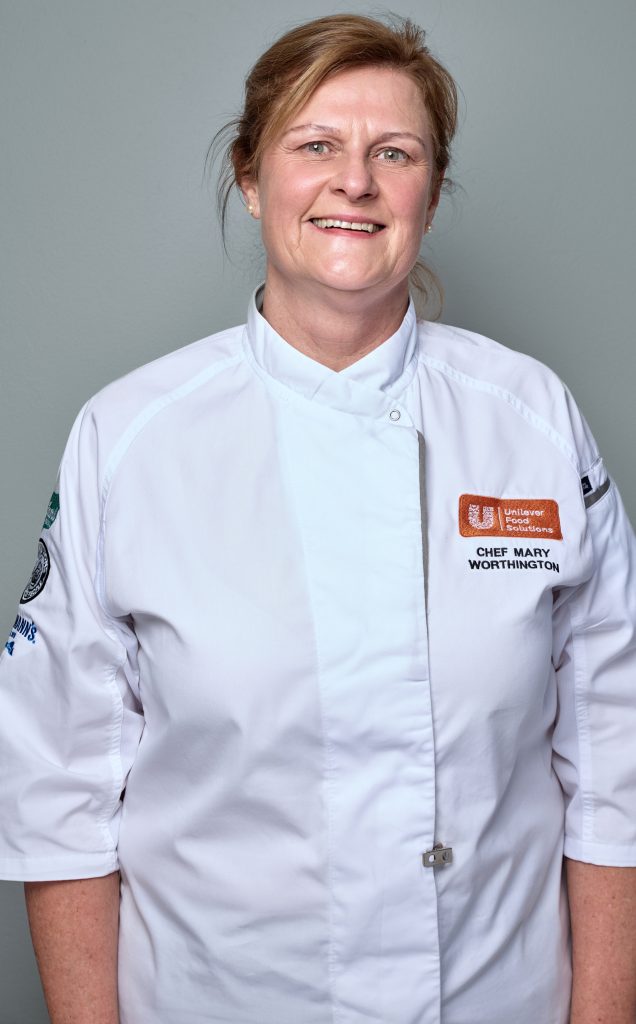
“For local chefs, this trend is less about discovery and more about recognition,” says Chef Mary from Unilever Food Solutions. “Food tells the story of who we are. When we elevate our street food, whether it’s shisanyama or bunny chow, we’re not just improving a dish, we’re putting South African flavour on the map.”
That local relevance is key. Global influences from the Middle East, Greece and Southeast Asia are increasingly being paired with South African tastes and ingredients. The result is food that feels both familiar and exciting. A classic Prego roll takes on new life with a Thai-inspired twist, while a simple burger becomes something share-worthy with the right combination of sauces and finishes.
For deli and quick-service operators, the appeal is clear. Street Food Couture offers premium-looking food that remains accessible in terms of production and price. Bold condiments like spicy mustard mayo or tamarind sauce do much of the work, transforming simple builds into dishes customers talk about and come back for.
Visual appeal is just as important. In a social media-driven food culture, how a dish looks can be as powerful as how it tastes.
“We eat with our eyes first, and social media has amplified that instinct,” says Yonela Motloung, Marketing Director for Unilever Food Solutions South Africa. “Every plate has the potential to become a post. When chefs focus on visual impact, they’re not just serving a customer, they’re attracting the next one.”
In a market where diners are looking for value without compromising on experience, Street Food Couture is striking the right balance. It delivers flavour, story and presentation without the fine-dining price tag. And while it may be trending, it’s also rooted in something deeper: a shift towards food that is honest, expressive and accessible. A reminder that some of the best ideas in food didn’t start in professional kitchens.
They started on the street.
Give Street Food Couture a try with these delicious recipes: