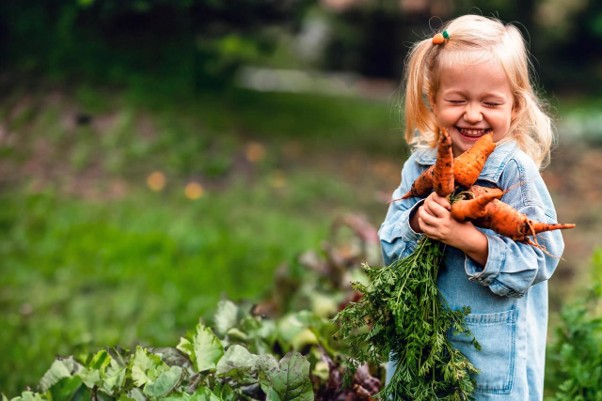
A tomato plant probably won’t solve South Africa’s youth unemployment crisis.
Learning how to grow one, though, might teach something just as valuable.
Patience. Responsibility. Problem-solving. Consistency. The ability to care for something over time and see the result of your effort. On Youth Day 2026, these lessons matter even more.
In a world increasingly dominated by device screens, instant gratification and digital overload, gardening could become one of the most valuable life skills young people can acquire.
“Gardening teaches lessons that go far beyond plants,” says Fathima Mathen, Marketing Manager for GARDENA. “It’s a practical opportunity for young people to learn to work with their hands, understand what it takes to cultivate something from seed to harvest and build self-confidence by mastering a new skill. It could even plant the seed for future careers as landscapers, arborists or farmers.”
And unlike many hobbies or activities, gardening is accessible. A few pots on a balcony, a small patch of soil or even a windowsill herb garden can become a starting point.
Mathen believes gardening offers unique lessons, and identifies five reasons it’s relevant for our youth:
1. It instils responsibility
Gardening requires you to show up consistently. Plants need care, attention and patience. They cannot be rushed, ignored or neglected without impact.
That makes gardening a practical way to develop responsibility. It demonstrates that small actions, repeated over time, create results.
2. It provides a sense of ownership
There is something powerful about growing something yourself.
Whether it is herbs on a windowsill, spinach in a container or flowers in a garden bed, gardening gives you a feeling of pride and achievement, especially when nurturing transforms into a thriving plant.
It’s a personal investment that shows you can create something useful and beautiful with your own hands.
3. It cultivates a growing respect for what sustains us
For many, there is a disconnect from how food is grown. Fruit, vegetables and herbs often feel like products on a shelf rather than the result of time, care and resources.
Gardening helps change that.
Cultivating even one edible plant crop reveals the cycle of care, from soil preparation and fertilising to weeding and harvesting, and can inspire greater respect for food and less waste.
4. It supports overall wellbeing
Gardening provides a reason to take time out from the constant noise of life, to slow down and spend time away from the constant scrolling on social media.
The simple act of being in nature, working with soil, weeding, watering plants or checking for new growth can be calming and grounding, nurturing both physical vitality and mental calm.
5. It nurtures resilience
Not every seed grows. Not every plant survives. Weather changes, pests arrive, and mistakes happen.
That is part of what makes gardening such a valuable teacher.
You learn to observe, adapt, try again and keep going. These are lessons that matter far beyond the garden.
“Not every young person will be keen to try gardening at first. For many, it’s extra work and the benefits aren’t obvious until they’ve tried it themselves,” says Mathen. But once they experience the satisfaction of harvesting even a single tomato or bunch of spinach, or seeing flowers beginning to bloom, resistance often fades. Gardening shifts from being a chore to becoming a hobby, an achievement, something to be proud of.”
“The key is keeping things simple,” she concludes. “You don’t need a big garden to get started. A few basic tools, a small space and the willingness to try are enough. From there, the lessons grow naturally.”
For more gardening inspiration or to view their product range, visit GARDENA SA at https://gardena.co.za.