Ask any chef what keeps them up at night, and having enough customers through the door is likely high on the list, particularly when the economy is tight. Then there are food costs, margins, staffing and the supplier who swears the delivery is on its way.
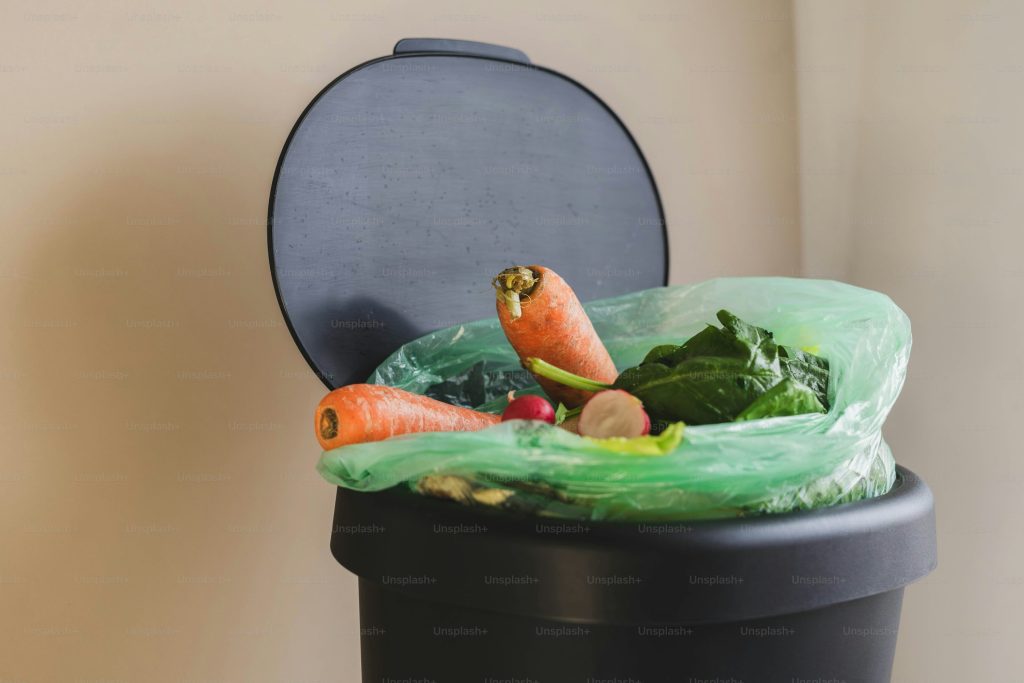
Which is why food waste deserves more attention than it sometimes gets. Anything that lands in the bin has already cost the business money: to buy, store and often prepare without earning anything in return.
That’s where sustainability becomes less abstract and more about daily choices. The big-picture reality in South Africa is sobering: CSIR¹ research estimates that 10.3 million tonnes of edible food is lost or wasted each year, equal to about 34% of local food production.
Against that backdrop, two October dates provide foodservice establishments a reason to look at food differently. World Food Day on 16 October, with this year’s theme “Innovate today. Nourish tomorrow,” looks to the future of food. International Chefs Day on 20 October honours the culinary profession, with this year’s Food Explorers campaign encouraging greater understanding of ingredients and where they come from. Together, they raise a useful question for professional kitchens: how can innovation and creativity help ensure more of what we buy is actually eaten?
“This doesn’t have to mean new equipment or radical reinvention,” says Yonela Motloung, Marketing Director for Unilever Food Solutions South Africa. “Sometimes it starts with looking at a familiar ingredient, process or habit and asking what could be done differently, because that’s often where innovation and creativity begin.”
Before it hits the bin
Giving ingredients more than one life is hardly new. Yesterday’s bread rolls can become a modern take on bread-and-butter pudding. Vegetable offcuts can head for the stockpot; suitable trimmings could end up in a pickle jar.
“It’s a smart habit, but rescuing scraps is the tidy-up. The real win is having less to rescue in the first place,” adds Motloung.
The business case is hard to ignore. Research by Champions 12.3², a global coalition working to reduce food loss and waste, found that across 114 restaurant sites in 12 countries, every dollar invested in reducing kitchen food waste returned an average saving of $7.
Within a year, waste had fallen by 26% on average.
“Some waste is inevitable,” she notes, “but over-ordering, spoilage, excessive prep and uneaten food are not. That is where Unilever Food Solutions’ Wise Up On Waste³ web-based tool can help establishments pinpoint the problem, while practical guidance helps users turn those insights into action.”
Smart choices
But sustainability in a professional kitchen goes beyond reducing what ends up in the bin. It also touches how kitchens buy, cook, use resources and package food:
1. Menu design & sourcing
A menu is a purchasing plan in disguise. Those built around shared ingredients and seasonal, local produce cut food miles and support growers, while keeping storage lean and prepping more efficient.
2. Ordering, prep & portions
An order sheet is a forecast. Order against bookings and sales, then prep to demand, not the fear of running out. The plate also always tells the truth: are portion sizes correct? If the same garnish or side keeps coming back untouched, or diners regularly box up leftovers, you’re losing money.
3. Utilities
Energy and water are costs hiding in plain sight. Turning off idle appliances, running dishwashers only when full, avoiding unnecessary rinsing and choosing energy-efficient equipment where practical, can cut both spend and environmental impact.
4. Packaging & disposables
What wraps, covers and carries food matters too. Reusable takeaway containers, lidded pans and washable covers can reduce reliance on cling film, foil and other single-use plastics.
“The more establishments innovate and find new ways to implement sustainable practices in their kitchens, the more we can reduce waste, conserve resources and help to build a more future-proof food system,” notes Motloung.
“Sustainability doesn’t mean doing everything differently. It’s recognising what could work better and choosing to change it,” she concludes. “Consistent, better choices can help build resilient practices, deliver savings, and improve the bottom line.”