If it’s September, it’s Heritage Month in South Africa. A time when the traditions, stories and values that shape our shared identity fall under the spotlight. And for many, few things say heritage quite like food. It sits at the heart of any celebration, bringing us together around the dishes we cook, share and pass on.
So, what does South African heritage taste like? Ask ten people, and you may get ten different answers. Pap and morogo. A Durban curry. Potjiekos. Bobotie. Vetkoek. Koeksisters. Perhaps the unmistakable smell and taste of a braai.
Traditional food has never been only about recipes. It reflects local ingredients, seasonality, resourcefulness and knowledge passed from one generation to the next. For many of us, it also carries a powerful dose of nostalgia. We may often find ourselves hankering after the food our mothers and grandmothers made: the Sunday lunches, family favourites and dishes cooked almost from memory. Some recipes are carefully written down and handed on; others live in instinct, in a pinch of this, a handful of that, and the familiar instruction to cook it ‘until it looks right’.
“Food is one of the most joyful ways we celebrate who we are,” says Yonela Motloung, Marketing Director for Unilever Food Solutions South Africa. “It connects us to family, community and place, but it also keeps evolving as each generation cooks, shares and adds something of its own. That is what makes South Africa’s food heritage so exciting.”
“Our local cuisine has been shaped over generations as ingredients, cultures and cooking traditions have met and influenced one another,” she adds. “What we think of as heritage food today is therefore not a fixed collection of recipes, but a living food culture.”
This is reflected in Unilever Food Solutions’ annual Future Menus report 2026. Its Culinary Roots trend explores how ancestral recipes, indigenous ingredients and time-honoured techniques can remain relevant to today’s diners, with heritage providing a foundation for fresh creativity, not just nostalgia.
And South African chefs have plenty to work with.
“Reimagining heritage should never mean losing the thing that made a dish or ingredient meaningful in the first place,” notes Motloung. “For chefs, the opportunity is to understand those roots, then use their creativity to show diners just how much possibility still exists in the flavours we already know and love.”
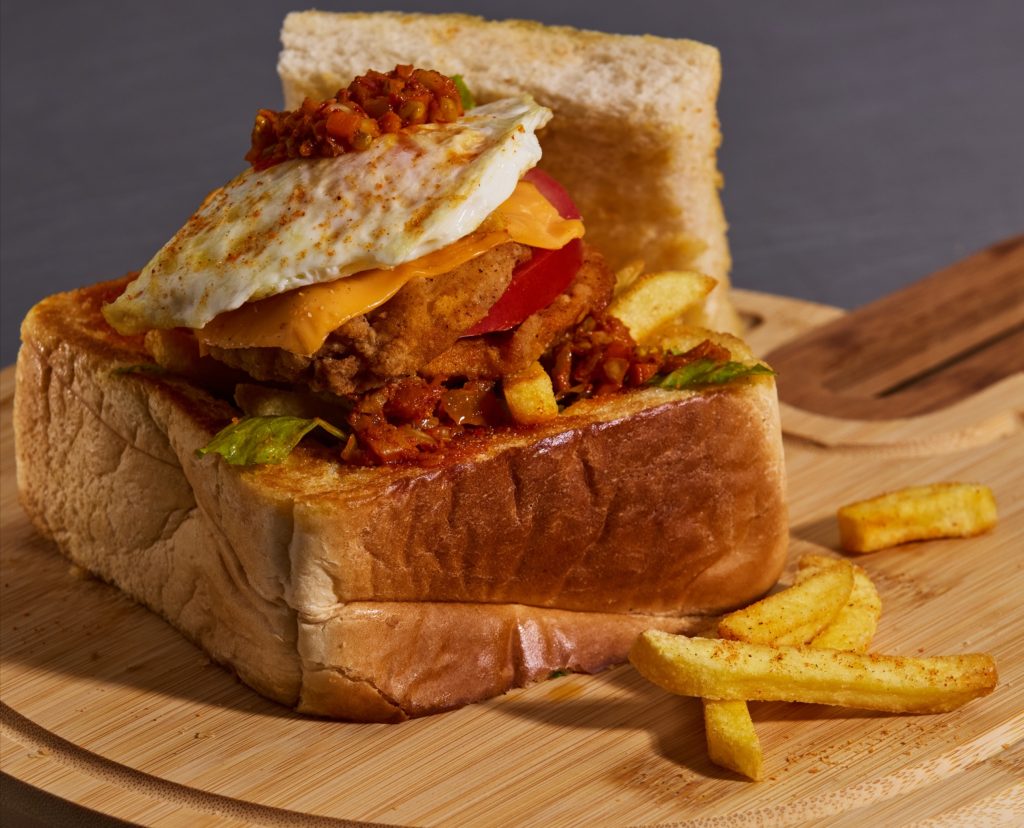
Take the kota. Already an evolving South African street-food favourite, UFS Chef Latoya Marivate’s crispy chicken version layers breaded chicken, spiced chips, cheese, egg and atchar mayonnaise into the familiar hollowed loaf. Recognisably a kota, but with another chapter added to its story.
Or sorghum, one of Africa’s oldest cultivated grains. Take UFS Chef Kimrishka Govender’s sorghum malt and honey-glazed short rib. Its earthy maltiness becomes part of a glossy glaze for slow-braised beef. Elsewhere, rooibos and honeybush become a fragrant smoking medium for chicken, while buchu, a South African botanical with its bold blackcurrant and mint character, adds herbal freshness and a hint of citrus to a honey cheesecake.
Even familiar comfort food can shift context, like slow-braised oxtail with butter bean mash and atchar oil, while another dish transforms umfino – maize meal and greens – into a crust for short rib. Familiar flavours remain, but their role on the plate changes.
The same playful instinct is evident in much-loved South African desserts. One contemporary take infuses milk tart with rooibos, whose natural sweetness lets the custard carry less added sugar, balancing its richness especially well alongside citrus. Another recent creation goes further still, combining two South African favourites, milk tart and malva pudding, into one dessert.
“Our food heritage belongs in the present as much as it belongs to the past,” concludes Motloung. “When we celebrate the ingredients, dishes and stories that make South African food distinctive, and give a new generation of chefs room to build on them, we keep that heritage alive, relevant and worth sharing.”
Download your copy of the Unilever Food Solutions Future Menus 2026 report here: