It’s a familiar scene at this time of year in many gardens: a few branches here, some cuttings there, perhaps a small tree felled in sections, and suddenly the garden looks like it has hosted a very short-lived logging operation.
Pruning in spring can leave you with a surprisingly impressive pile of garden waste.
The obvious response is to get rid of it. Some municipalities offer scheduled garden-waste collection, while others require residents to take larger quantities to designated dump sites.
But before deciding whether to haul it away, there might be other options to consider, says Daren Harvett, Area Business Manager KZN for Husqvarna South Africa. “Woody material can actually serve some useful purposes in the garden and may be worth a second look as a resource rather than garden refuse.”
Harvett offers some practical suggestions for repurposing your garden offcuts:
Mulch the Waste
Smaller volumes of branches and cuttings can be broken down with a pruning saw into pieces suitable for the compost heap or for use directly as mulch around flower beds and borders.
Used as surface mulch, shredded garden material helps suppress weeds, retain moisture, and, as it decomposes, enrich the soil with organic matter. “A layer of five to ten centimetres is usually enough: thick enough to block light to weed seedlings, not so thick that it smothers the soil,” he advises.
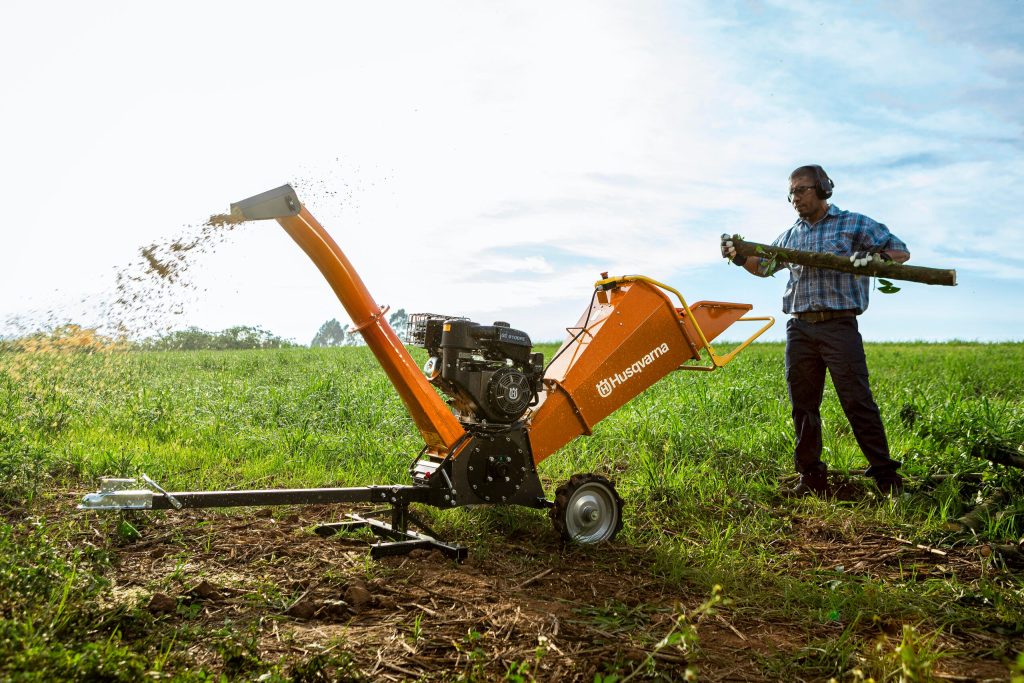
If you’re a landscaper, groundskeeper or regularly dealing with larger volumes of cuttings, a woodchipper can make light work of the pile, turning prunings into a readily available source of mulch or compost material.
Pile with Purpose
For the biodiversity- or sustainability-minded, a neat stack of offcuts tucked into a quiet corner can create a habitat for wildlife: providing shelter for insects and cover for frogs and lizards. “You can create an entire little ecosystem from what might otherwise be thrown away,” notes Harvett.
But he adds that the key is to be deliberate: “A pile placed with intention, set a little distance from the house and checked on now and then can become a welcome micro-habitat feature. Left undisturbed, though, heaps of branches and leaf litter provide both cover and a ready source of food, making them attractive to unwelcome guests too.”
A bit of thoughtful placement, occasional attention and avoiding an oversized heap are generally enough to encourage biodiversity without inviting problems.
Make a Feature
A felled tree is one of the more obvious “resources rather than refuse” moments Harvett points to: cut and properly seasoned, that trunk becomes firewood for months of braais and fireplaces to come, rather than simply an obstacle to clear.
But firewood isn’t the only possibility. Thicker branches and logs can make a rustic, natural edging around flower beds or pathways, while a sturdy stump can become a seat or plant stand. Well-shaped branches can also be useful as trellises or supports for climbing plants.
“Sometimes the shape of the piece is the clue to what you can do with it,” he says. “There’s no need to break down something that can serve a purpose just as it is.”
Bin the Bad
Not everything belongs back in the garden, though. Dispose of diseased or pest-infested branches and cuttings rather than adding them to compost or using them as mulch, as this could spread the problem. The same applies to weeds that have gone to seed: a home compost heap may not get hot enough to destroy the seeds, allowing them to survive and germinate when the compost is used.
Look Again
It’s tempting to treat pruning and clearing as the finishing line, but that pile can mean free mulch, free habitat, free garden features or free firewood, worth a second look before it’s written off as waste.
So, the next time your garden starts looking like the scene of a small logging operation, don’t call it garden refuse. Call it inventory.
“The bin should perhaps be your last option, not your first,” concludes Harvett. And that should make for one very light load on collection day.
Your local authorised Husqvarna dealer can help match the right tool to the job, whether it’s pruning, cutting, chipping or clearing vegetation.
For more information, go to https://www.husqvarna.com/za